
Free UK Delivery on orders over £40*

The TentBox Cargo 2.0 is designed for year-round reliability. This article outlines how the tent performs in practical use — from extended trips and changing weather to day-to-day storage and travel efficiency.
Frequent users report that the Cargo 2.0 maintains its quick-deployment advantage over time. The gas struts require minimal effort, and the lid remains stable even after repeated use.
Setup can be completed in under a minute once the mounting ladder and internal gear are in place. Bedding can remain inside the shell when closed, provided it does not exceed the fold-line height of the mattress.
For daily commuting, the tent’s aerodynamic shell reduces drag and wind noise compared with older hard-shell designs, making it suitable to leave mounted permanently.
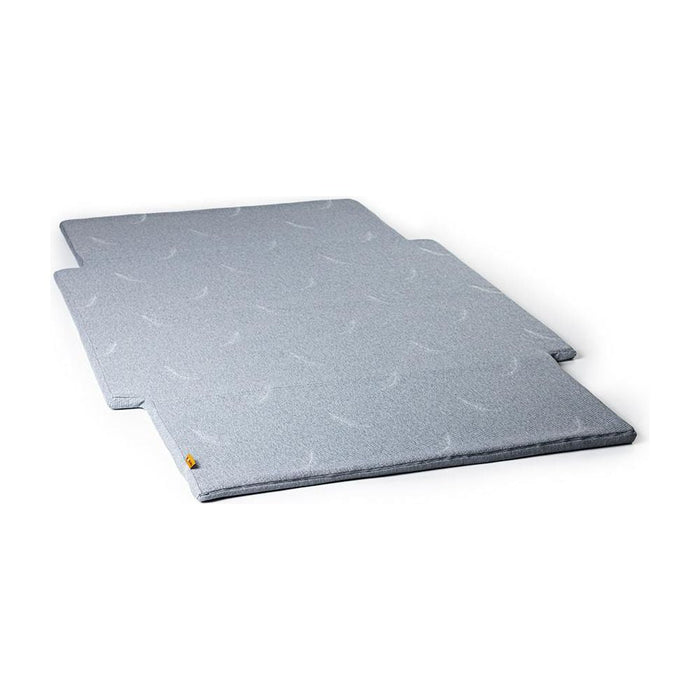
The dual-layer mattress and rigid base create consistent support across the sleeping area. For cold-weather trips, an insulation layer beneath the mattress helps maintain warmth.
The internal space suits two adults comfortably, and the skylight and side vents provide effective airflow. Condensation is minimal when ventilation flaps are partially open overnight.
During extended use, keeping bedding materials aired after each trip will prevent moisture build-up inside the shell.
The aluminium exoskeleton and waterproof ripstop canvas perform reliably in heavy rain and high wind. Water runoff is managed by the raised edge of the lower shell, preventing pooling near the entrance.
In high winds, positioning the tent with the narrow end facing into the wind reduces resistance. The tent remains stable at wind speeds up to approximately 35 mph, based on user feedback and in-house testing.
For sub-zero conditions, fitting the TentBox Insulation Kit provides additional thermal retention without affecting the opening mechanism.
The Cargo 2.0 fits most medium to large vehicles, including SUVs, estates, and vans, provided the roof load capacity is suitable.
Because the tent’s height is under 18 cm when closed, it typically allows access to standard car parks and garages. Drivers should confirm clearance for vehicles above 2.1 m when the tent is fitted.
The total on-roof weight, including mounting bars, should remain within manufacturer guidelines to maintain safe handling.
When closing, ensure the canvas folds inward evenly along the perimeter to avoid seal pinching.
Store the tent dry, preferably slightly open, to encourage ventilation if not in use for several weeks.
A light application of silicone lubricant on the hinge pins and gas-strut mounts every few months will maintain smooth movement and protect against corrosion.
The shell’s powder-coated finish and stainless-steel fixings resist corrosion even in coastal environments. With routine cleaning and inspection, the Cargo 2.0 can remain serviceable for many years.
Periodic tightening of bolts and visual checks after off-road travel are recommended to prevent stress on mounts and rails.
The TentBox Cargo 2.0 combines fast setup, durable materials, and efficient aerodynamics to create a practical long-term roof-tent system.
Its all-metal construction and minimal maintenance requirements make it a reliable choice for users who camp frequently or travel through mixed weather conditions.
{"one"=>"Select 2 or 3 items to compare", "other"=>"{{ count }} of 3 items selected"}


